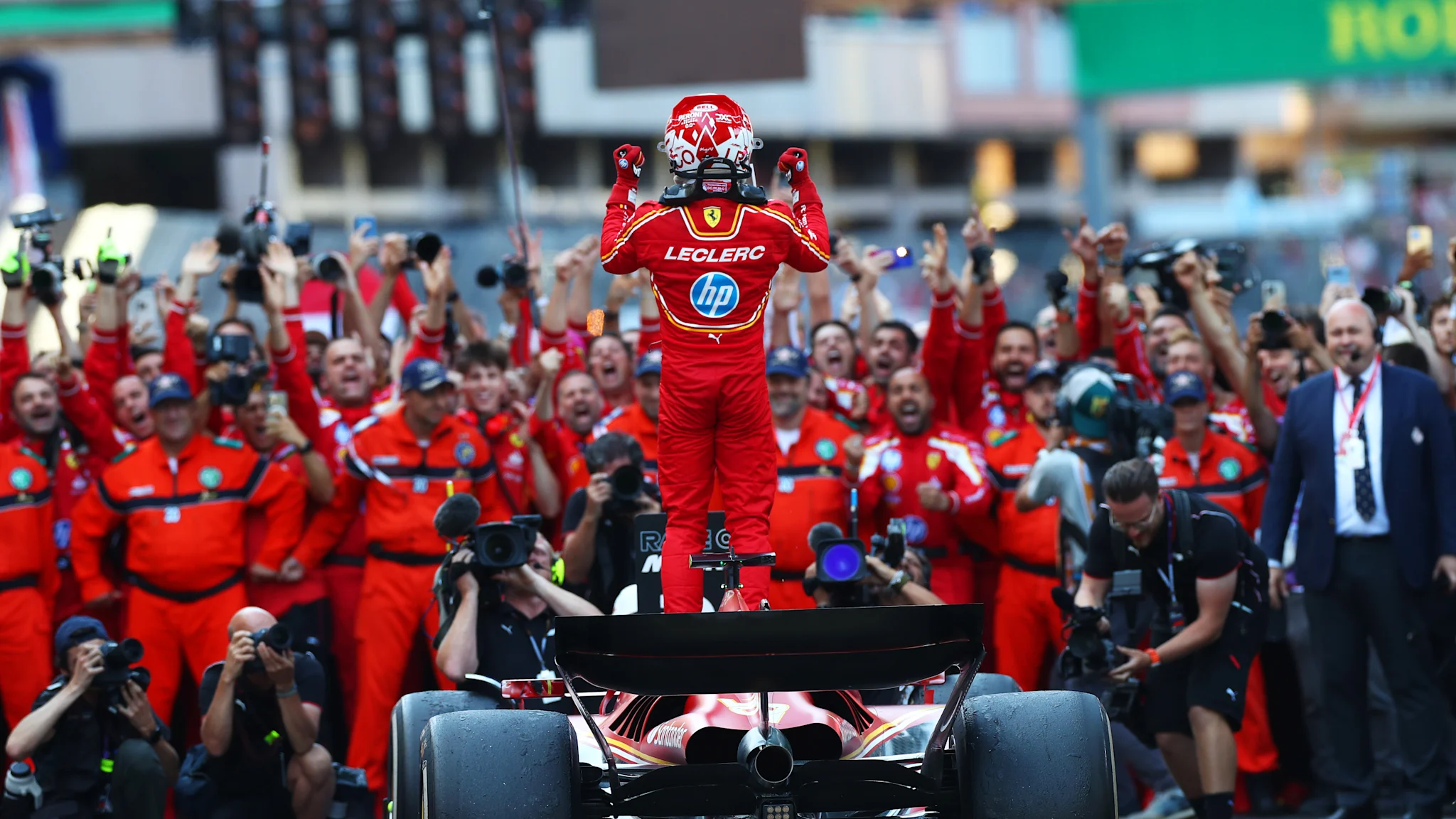
Headline Times Versus Representative Pace
Head-to-head lap times in opening practice frequently fail to reflect pure driver execution because external variables dictate early session margins. When assessing opening practice at the 2026 United States GP: Leclerc set the official benchmark with a 1:36.052 on soft tyres, but that headline margin over Max Verstappen was preserved only because a quicker lap from the Red Bull driver was erased for exceeding track limits at Turn 19.
A deleted lap demonstrates why comparing raw times without session context misleads observers. While the timing sheet placed Ferrari ahead by 0.084 seconds, the underlying running indicated that car potential across single attempts was remarkably close, rather than demonstrating an absolute pace superiority by either driver.
Diverging Programs and Mechanical Variables
Inter-team and intra-team comparisons during practice sessions are further complicated by staggered test schedules and hardware discrepancies. During the Circuit of the Americas session, Ferrari spent run time evaluating new floor, sidepod, and diffuser parts, whereas other competitors spent opening runs on hard compounds or gathered baseline data using aerodynamic measuring rakes.
Specific handling anomalies also distort direct assessments between teammates and rivals. Verstappen reported unusual steering resistance when turning left, and George Russell noted sudden understeer before Mercedes evaluated front-wing settings. Because teams do not run uniform fuel weights, fixed engine modes, or identical tyre run plans during practice, timesheets offer an operational snapshot of test programs rather than an uncompromised measure of driver ability.
Official reference: Formula1.com’s account.

No comments:
Post a Comment