Immediate Safety Intervention Versus Disqualification
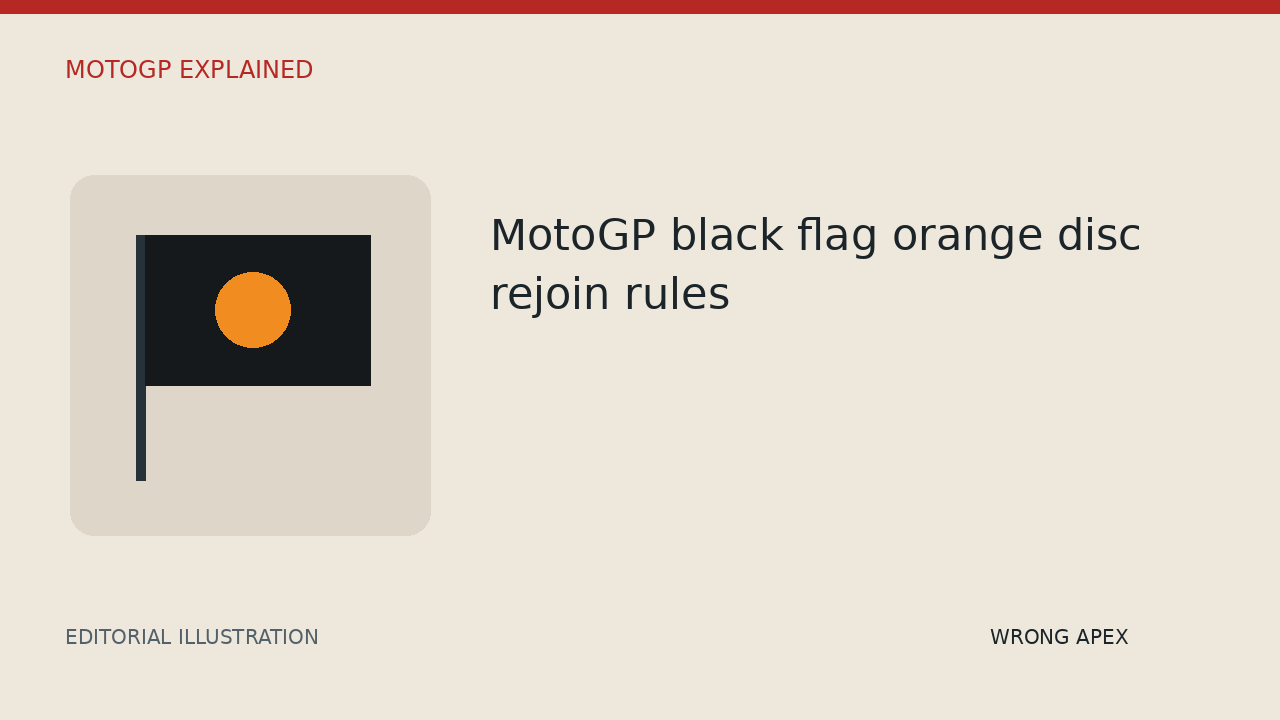
In motorcycle racing, a mechanical fault can create an immediate danger for both the competitor and the rest of the field. When marshals display a black flag with an orange disc alongside a specific rider number, the competitor is instructed to leave the track immediately rather than completing the lap. Unlike a disciplinary black flag that disqualifies a rider and prohibits restarting, this signal functions as a safety mandate prompted by technical concerns such as fluid leaks or structural failures.
Crucially, the intervention does not inherently mark a permanent retirement from the session. Under the MotoGP black flag orange disc rejoin rules, completing repairs in the pit box is not enough on its own; a rider can only re-enter the race once an official inspects the machine and authorises the restart.
Impact on Head-to-Head Assessments
For spectators evaluating driver or rider performance across a grand prix weekend, sudden interventions like these highlight why raw finishing positions rarely tell the complete story. A competitor forced off circuit by marshals to fix a potentially dangerous malfunction faces significant time loss that cannot be attributed to riding pace or tyre management.
Because rejoining hinges entirely on both repair turnaround and regulatory sign-off, comparing race outcomes between teammates without factoring in mandatory safety stops misrepresents relative performance. A forced track departure distorts lap charts and gaps, reminding viewers that technical interventions remain a distinct variable separate from rider ability.
Official reference: official MotoGP guide to flag meanings.

No comments:
Post a Comment