The Illusion of Direct Rider Comparisons
Head-to-head battles on track often tempt fans to draw sweeping conclusions about which competitor possesses superior individual skill. However, evaluating rider performance solely through wheel-to-wheel exchanges overlooks critical mechanical and situational disparities. When analyzing high-stakes title fights, observing how machinery interacts with circuit dynamics reveals why track position changes are rarely a straightforward test of raw talent alone.
Mechanical Differences and the Context of Phillip Island 2026
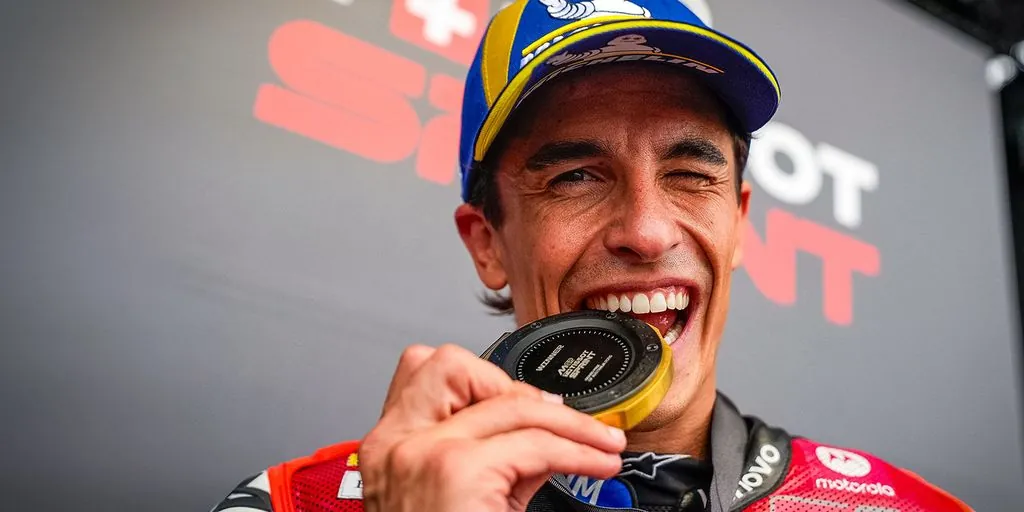
During the 2026 Australian Grand Prix weekend, reporting showed how Marc Marquez Takes Title Lead as Martin Crashes Out in Phillip Island Sprint while riding differing machinery. Marc Marquez competed aboard the factory Ducati Lenovo machine, whereas Jorge Martin campaigned an Aprilia. Across their multi-lap exchange, Martin repeatedly attacked at Turn 1 and Turn 4, while Marquez capitalized on line preservation through Turn 2 and defended under braking. Assessing these maneuvers as an unclouded gauge of talent ignores how distinct chassis characteristics handle kerb strikes and front-end stability, evidenced when Martin unsettled his bike on the Turn 7 kerb prior to his Lap 8 fall.
External Influences Beyond Rider Control
Final results can also be shaped by operational regulations and environmental variables rather than rider input alone. At the same event, intermittent rain threatened the closing stages, and an eight-second tyre pressure penalty altered Ai Ogura's finishing position post-race. Such regulatory and atmospheric factors demonstrate that finishing orders and head-to-head outcomes reflect a complex mix of machine behavior, setup compliance, and risk management rather than isolated rider capability.
Official reference: Marc Marquez takes title lead with Sprint win, Martin crashes out of epic battle.

No comments:
Post a Comment