How Age Records Shape Title Comparisons
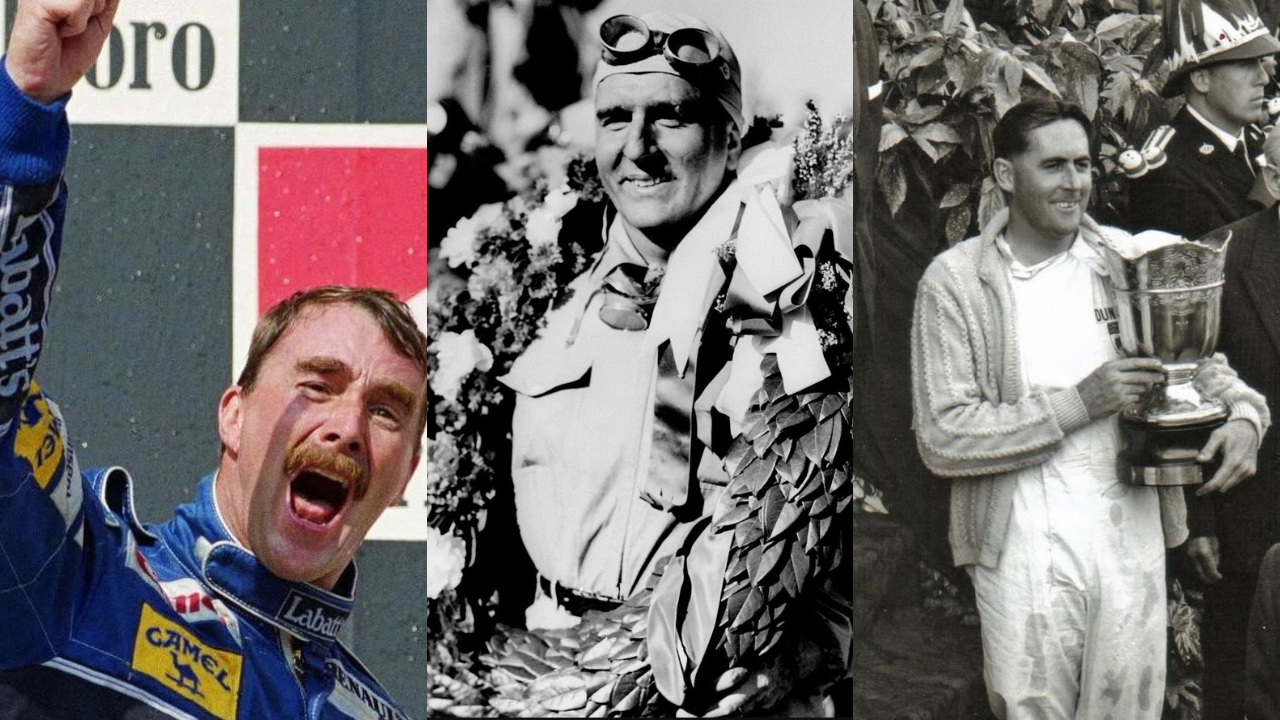
Evaluating drivers from distant decades often prompts enthusiasts to look at career timelines and longevity. Examining the Top 5 oldest F1 world champions highlights names spanning from the inaugural 1950 championship up to 1992, led by Juan Manuel Fangio, Giuseppe Farina, Jack Brabham, Graham Hill, and Nigel Mansell. However, looking strictly at age numbers ignores the radically different circumstances that defined each competitor's path.
Career Beginnings and Historic Timelines
Directly comparing these champions by the age of their triumphs overlooks the calendar context of their respective eras. Farina took the inaugural crown in 1950 at 43 years and 308 days simply because the official championship had only just begun. Similarly, Fangio won all five of his titles while in his forties, clinching his final title in 1957 at 46 years and 41 days. These milestones reflect late-starting championship histories rather than an era-neutral baseline for when a driver peaks.
Varying Paths to Championship Success
The ranking also groups fundamentally different career narratives under a single statistical filter. Brabham claimed his third title in 1966 at age 40 driving his own car, and Hill secured his second championship in 1968 at 39 after finishing runner-up three times between titles. Mansell, by contrast, entered the list through his sole championship victory in 1992 at 39 years and 8 days, following three earlier runner-up finishes. Because the metric only records a driver's age at their final title, it reflects isolated milestones across distinct generations rather than a direct gauge of relative driver ability.
Official reference: Formula 1’s historical ranking.

No comments:
Post a Comment