Officiating Evidence Behind Penalty Tallies
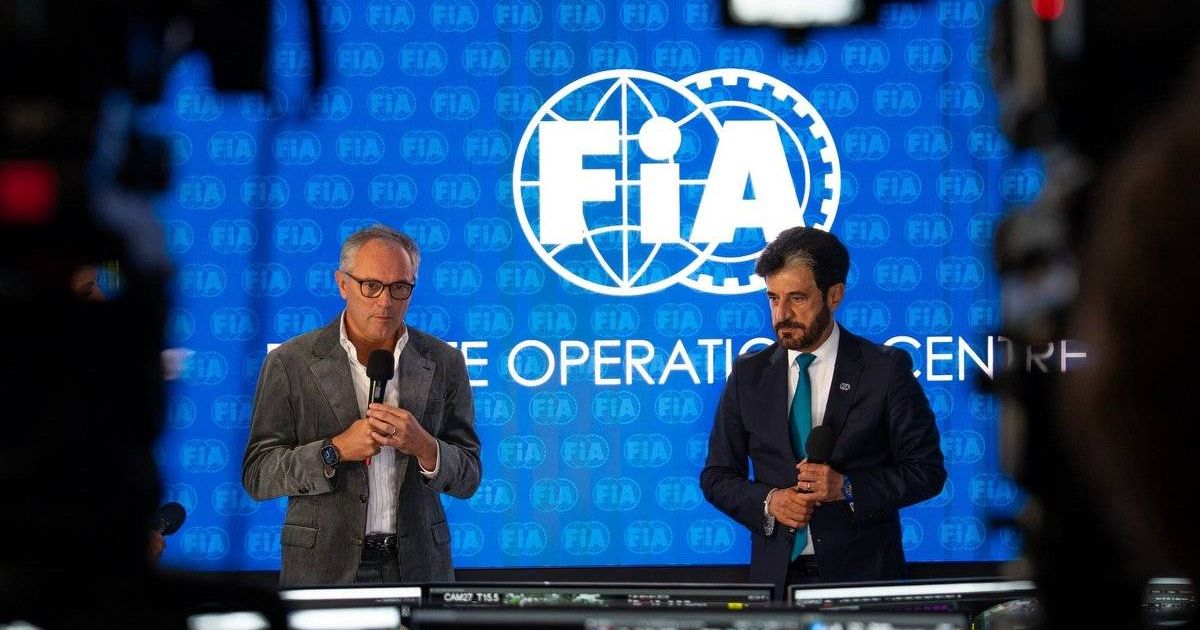
Evaluating drivers often involves looking at disciplinary records, time penalties, and track limits strikes over a season, but those figures are heavily shaped by how thoroughly incidents are detected. When the FIA opens new Biggin Hill Remote Operations Centre facilities or deploys automated computer vision tools, the primary goal is expanding analytical capacity across dozens of feeds rather than changing the sporting regulations themselves. If detection methods become more comprehensive, changes in penalty tallies across different seasons or rounds may reflect enhanced operational monitoring instead of shifts in driving discipline.
Separating Detection Capacity from Pure Driver Behaviour
Head-to-head comparisons frequently treat race control interventions as straightforward measures of a driver's precision or racecraft under pressure. However, remote analysts supply information such as car-positioning telemetry, automated radio tagging, and multi-angle video feeds to trackside officials, who still retain final discretion over sporting rulings. Because officiating consistency remains an ongoing administrative objective rather than an established guarantee, comparing driver records across eras or weekends with differing levels of technical surveillance cannot serve as a pure measure of driver ability.
Official reference: FIA's announcement.

No comments:
Post a Comment